


Article Prepared by Mike Burd
Biomass energy is created by the combustion or biochemical conversion of any organic matter to be used for fuel. Some of the organic materials used for biomass energy include wood, sawdust, grasses, corn, sugarcane, farm waste, and other plant life. The processes for converting biomass into energy are numerous.
If it consists of waste, biomass energy has the added benefit of turning trash into energy; if it consists of agricultural crops, it can benefit farmers economically. It is also possible to grow crops specifically for biomass applications, using waste products is the greenest form of biomass production.
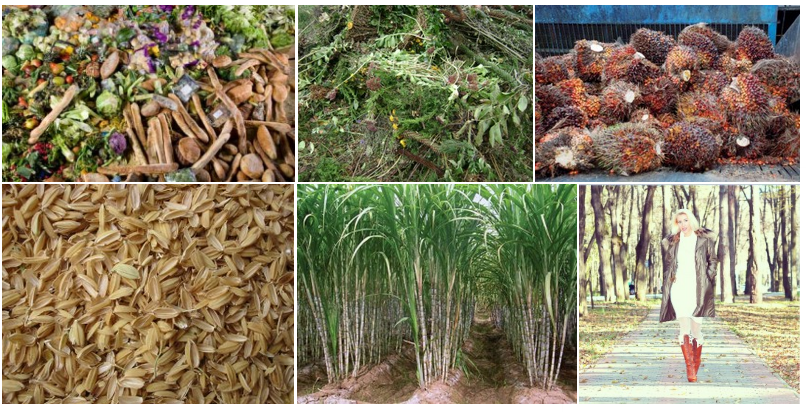
Biomass fuel such as ethanol can produce around five times the energy put into making it, which makes it an economically sound energy source. The downside is that the farther the fuel has to be shipped, the less economical it becomes. Therefore, the greatest value of biomass energy processes is when the biomass is used where it’s produced, such as farms and surrounding communities.
Scientists are trying to find more efficient ways of using biomass energy, as it has greater environmental benefits than fossil fuels. Transitioning to biomass will help the world cut down on waste production and emission of greenhouse gases. At the same time, biomass fuel production is still costly since the technology is relatively new. Improved methods of generating the fuel efficiently and at reduced cost are still being researched.
The gasification process takes place by using high temperatures and controlling the amount of oxygen and steam when converting carbon materials such as petroleum, coal, biomass, and biofuels into hydrogen and carbon monoxide. This conversion process produces what’s known as syngas and is a more efficient product of biomass than the combustion process. Syngas can be burned directly, used to create methanol and hydrogen and even be further converted into synthetic fuel.
The optimum way to use biomass is via gasification following actuation in gas turbines.
In the near future, the proper application of such turbo-generators should result in economic industries, which accumulate huge volumes of biomass (sugar-refineries, distilleries, factories processing sugar-cane, etc).
Biomass usage allows the country to replace coal, gas or oil for electricity production. More than that, the amount of carbon dioxide emissions would be reduced twofold.
The NRGLab Gas Turbine (patent pending) produces the most affordable electricity in the world from methane, propane, butane, methanol and their derivatives, as well as syngas for as little as $0.02 USD per kW/h. The NRGLab turbine not only boasts a higher conversion efficiency than a conventional turbine (as high as 75%), it’s cheaper, too. A 25MW turbine by NRGLab costs an estimated $15 million USD, compared to similar turbines available on the market today that can run upwards of $40 million USD. With NRGLab gas turbine gasification, prices fall to a new level where biomass is burned not for fuel, but for electricity with a positive balance sheet.
12 total views, 5 views today
Related Posts
-
 Malaysia: CHE forms JV with Torftech UK for renewable technologies
-
 Tata Power commissions Compact Biogas plant in Maharashtra
-
 Schlumberger opens reservoir laboratory in China
-
 CNOOC to shut down renewable energy subsidiary
-
 India: Gujarat clears 6000 MW nuclear power plant
-
 Emmvee installs 100-kW PV plant Maharashtra, India
-
 ADB President: Asian countries need to boosts clean energy use
-
 Trans-Asia Oil to build 54-MW wind farm in Philippines
-
 Astronergy completes 20MW solar project in China
-
 ADB finances Indonesia-Malaysia transmission line project


